

Pria Alam · Supplement Selection
Choosing the Right Supplements for Your Lifestyle
With so many options available, selecting the right vitamins can feel overwhelming. This page is designed to help you navigate your choices based on your age, activity level, and specific wellness goals. We provide a structured approach to identifying which natural extracts will best support your unique journey.
Step 01 · Assessing Your Daily Routine
Your lifestyle is the first filter
The first step in selection is looking at your current lifestyle. Are you a high-performance athlete, a busy executive, or someone looking to maintain general health? Different lifestyles require different concentrations of minerals and vitamins, and we help you identify where your priorities should lie.
Start by writing down what a typical day looks like — hours of sleep, screen time, physical activity, and meals. That honest snapshot is more useful than any generic recommendation chart.
Lifestyle Profile · Self-Assessment Reference
Active Athlete
Trains 4+ times weekly. Higher caloric and mineral throughput. Priority: recovery, antioxidant intake, electrolyte balance.
Office Professional
Long desk hours, mental load. Priority: B-vitamin intake, adaptogens for stress, Omega-3 for cognitive support.
General Wellness
Moderate activity, balanced diet. Priority: foundational multivitamin coverage, Vitamin D, consistent daily minerals.
Outdoor Worker
Sun exposure, physical labor. Priority: hydration minerals, skin-supporting antioxidants like Vitamin E, Zinc.
Frequent Traveler
Irregular schedule, changing climates. Priority: immune-supporting Vitamin C, portable formats, consistent Zinc.
Plant-Based Diet
No animal products. Priority: B12, Iron, Zinc from botanical sources, Omega-3 from algae, label verification.
Step 02 · Age-Specific Nutritional Needs
A man in his twenties has different needs than a man in his fifties
While younger men may focus on energy and muscle support, older men often prioritize bone density and heart health. We break down the recommended focus areas for each decade of a man's life to ensure age-appropriate support.
20s
Foundation & Energy
Building a strong nutritional base. B-complex for energy metabolism, Vitamin D for absorption efficiency, Magnesium for muscle function. The body is at peak capacity, but habits formed here compound over decades.
30s
Resilience & Recovery
Career pressure and family demands rise. Antioxidants like Vitamin C and E help manage oxidative stress. Zinc supports immune resilience. Omega-3 becomes relevant for sustained cognitive demand during long working hours.
40s
Sustained Performance
Metabolism shifts. Vitamin K2 alongside Vitamin D supports bone density. Coenzyme support and Magnesium for cardiovascular maintenance. B12 absorption becomes a factor worth monitoring through food and supplements.
50s+
Longevity Focus
Bone density and heart health take priority. Vitamin D and K2 for structural support. Omega-3 for ongoing cognitive wellness. B12 as absorption naturally decreases with age. Gentle, consistent daily intake matters most.
These are general educational guidelines, not personal recommendations. Your individual needs depend on diet, activity, sleep, and other factors unique to you. For personalized guidance, consider speaking with a qualified nutrition professional.
Step 03 · Activity-Driven Selection
Different demands, different stacks

High-Intensity Support
For Very Active Men
For those who are very active, the body's demand for antioxidants and minerals like Zinc increases significantly. We highlight specific herbal extracts that are known to support stamina and physical resilience. Understanding these increased needs prevents the fatigue that often follows a period of intense training.
- — Zinc for immune resilience after physical exertion
- — Magnesium to support muscle recovery and sleep quality
- — Botanical antioxidants like turmeric and ginger extracts
- — Vitamin C to manage oxidative stress from training load
Office Life & Cognitive Support
For Desk Professionals
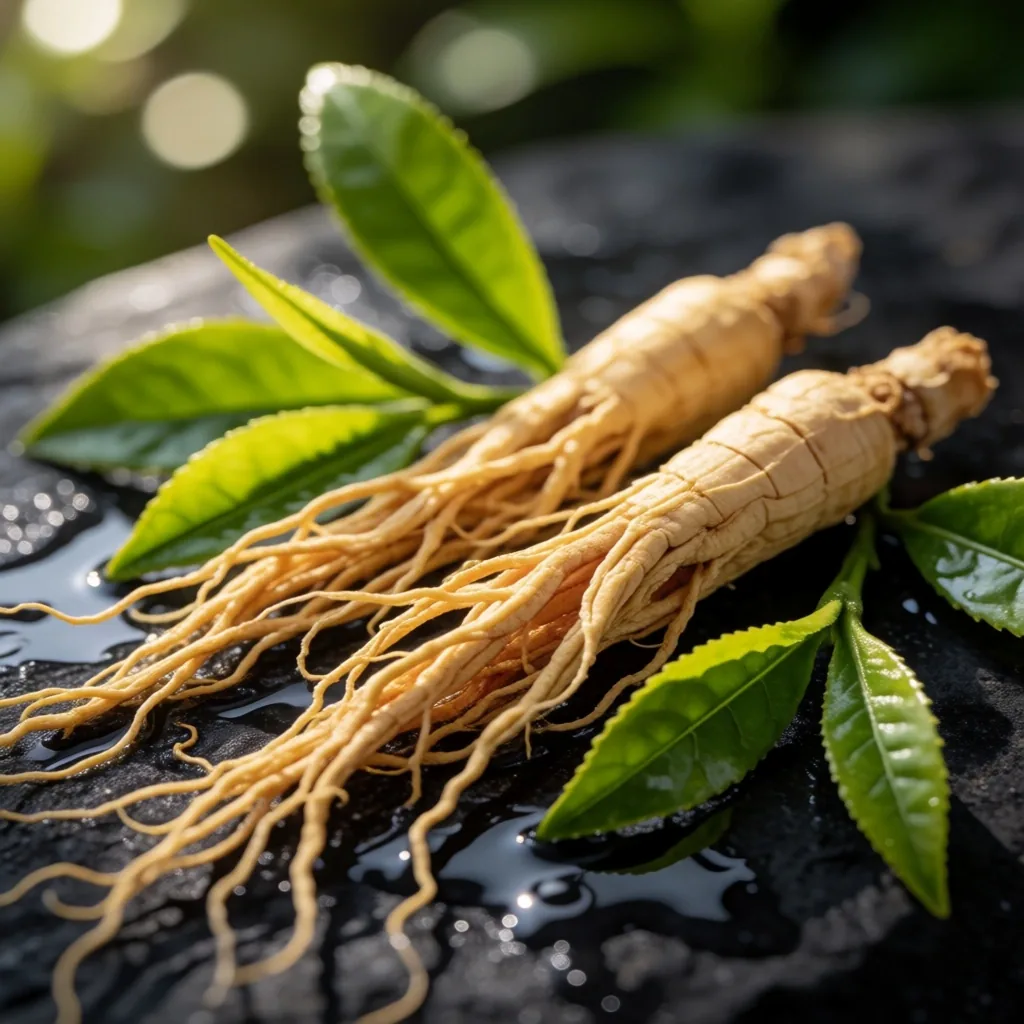
If your day is spent in front of a computer in a high-pressure environment, your focus should be on brain health and stress management. We suggest looking at B-vitamins and adaptogens that help maintain mental clarity and calm. These supplements are designed to help you navigate the mental demands of the Jakarta business world.
- — B-complex vitamins for energy metabolism and focus
- — Adaptogenic botanicals like ginseng for stress balance
- — Omega-3 fatty acids for ongoing cognitive support
- — L-theanine from green tea for calm alertness without jitters
Step 04 · Comparing Extract Potency
Not all herbal supplements are created equal
The concentration of active ingredients matters. We explain how to read labels to understand the difference between raw herb powder and concentrated extracts. This knowledge ensures you are getting the most value and effectiveness from your selection.
A label that says "500mg turmeric" tells you nothing about curcuminoid concentration. A label that says "500mg turmeric extract (95% curcuminoids)" tells you exactly what you are getting. That difference is the single most important factor in whether a supplement actually works for you.
Label Comparison · What to Look For
Raw Herb Powder
Ground whole plant material. Lower concentration of active compounds. Good for general wellness teas and mild daily intake. Typically listed as "powder" or "whole herb" on labels.
Standardized Extract
Concentrated form that guarantees a specific percentage of the active compound. More potent per milligram. Look for numbers like "95% curcuminoids" or "5% ginsenosides" — these tell you exactly what the extract delivers.
Extract Ratio (e.g., 10:1)
Means ten units of raw herb were used to produce one unit of extract. Useful, but ratios alone do not confirm active compound levels — always check for standardization percentages alongside ratios.
Proprietary Blend
Lists total blend weight without individual ingredient amounts. Harder to evaluate. Transparent brands disclose each ingredient and its dose separately rather than hiding behind a blend name.
Step 05 · Dietary Considerations
Plant-based diets need extra attention
Many men following plant-based diets may need to pay extra attention to certain nutrients like B12, Iron, and Zinc. We provide guidance on selecting supplements that are free from animal products while still providing the high-quality support you need. Our focus is on inclusivity for all dietary preferences.
B12
Absent in plant foods entirely. Non-negotiable for vegans. Look for methylcobalamin or cyanocobalamin forms.
Iron
Plant iron is less readily absorbed. Pair with Vitamin C to improve uptake. Monitor intake to avoid excess.
Zinc
Phytates in grains and legumes reduce absorption. Consider a separate zinc source apart from meals.
Step 06 · Combining Supplements
Stacking must be done thoughtfully
Stacking vitamins can be beneficial, but it must be done thoughtfully to avoid overlapping ingredients. We provide basic principles for combining different extracts safely and effectively. Learning how ingredients like Vitamin D and Vitamin K2 work together can help you create a more efficient wellness stack.
Vitamin D + K2
D helps absorb calcium; K2 directs it to bones rather than arteries. Take together for proper mineral utilization.
Iron + Vitamin C
Vitamin C significantly improves plant-based iron absorption. Useful pairing for vegetarians and vegans.
Zinc + Copper
Long-term high zinc intake can reduce copper levels. If supplementing zinc daily for extended periods, ensure copper balance.
Avoid Redundant Multivitamins
If you take a multivitamin, check which minerals you already get before adding standalone versions. Overlapping can lead to excessive intake.

Step 07 · Evaluating Brand Transparency
Transparency is the single best signal of quality
When choosing a supplement, the reputation and transparency of the brand are paramount. We discuss what to look for in terms of sourcing information and quality testing. Choosing brands that are open about their processes gives you peace of mind regarding what you are putting into your body.
Sourcing
Where the raw botanicals originate. Look for named regions, farms, or supplier partnerships.
Testing
Third-party verification of purity and potency. Brands should name their testing labs.
Label Clarity
Full disclosure of each ingredient and dose. No proprietary blend hiding behind a name.
Selection FAQ
Questions about choosing your stack
Should I take a multivitamin or individual supplements? +
A quality multivitamin covers foundational gaps, but individual supplements let you target specific needs based on age, activity, and diet. If you have clear priorities — cognitive support, recovery, or filling a known gap like B12 — targeted supplements give you more control over dosage and timing.
How long does it take to notice a difference? +
This varies by person, nutrient, and consistency. Water-soluble vitamins like B-complex may produce noticeable changes in energy within days. Fat-soluble vitamins and mineral levels build over weeks. Botanical adaptogens often require two to four weeks of consistent daily intake before effects become apparent.
Is a higher extract percentage always better? +
Not necessarily. A higher percentage means more concentration of the active compound, but it does not always mean better absorption or suitability for your needs. Some compounds work better in lower doses taken consistently over time. Read the suggested use on the label and start with the recommended serving.
Can I combine herbal extracts with vitamins? +
Yes, in most cases. Many herbal extracts and vitamins work well together. However, some botanicals can affect how your body processes certain nutrients. If you are combining several supplements, keep a simple log of what you take and when, and review it periodically to avoid redundancy or excessive overlap.
What if I have a specific dietary restriction? +
Check capsule and filler ingredients carefully. Some capsules use gelatin, which is animal-derived. Look for plant-based capsule alternatives. If you have allergies, review the full ingredient list including binders and flow agents. Transparent brands list every component, including the capsule material itself.
Where can I learn more about specific natural ingredients? +
Our natural ingredients page covers the botanical sources we feature, including their traditional uses and how they are processed. For a broader overview of daily wellness routines, the wellness guide walks through practical habits beyond supplementation. You can also reach our team directly through the contact page with specific questions.
Pria Alam · Jakarta
Jl. MH Thamrin No. 10, Menteng, Jakarta Pusat, 10230
Mon–Fri: 09:00–18:00 · +62 21 3198 7167 · [email protected]
Pria Alam is an educational resource for natural men's wellness. The information on this page is not intended to replace advice from a qualified nutrition or health professional. Supplements are intended as dietary supplements, not as substitutes for a varied and balanced diet.