

The Power of Plants: Natural Ingredients and Their Roles
Understanding what goes into your body is the first step toward better health. This page details the specific botanical extracts and essential vitamins commonly found in high-quality supplements, their historical use, their nutritional composition, and how they contribute to a balanced, energetic lifestyle.
A Grounded Approach to Plant-Based Nutrition
Pria Alam serves men who seek a grounded, non-pharmaceutical approach to their health through pure vitamins and plant-based compounds. This guide walks through each botanical extract and essential nutrient we commonly recommend, from the volcanic soils of Java to high-altitude Andean roots and the apothecary shelves of traditional Indonesian Jamu.
Every ingredient below is valued for its nutritional profile and its place in centuries of wellness tradition. We describe what it contains, how it has been used historically, and what to look for when comparing supplements — not what it cures. Always treat this page as a starting point for reading labels and choosing whole-food-sourced formulations that suit your daily routine.
Ginseng: The Root of Vitality
Ginseng has been used for millennia across East Asian and Southeast Asian cultures to support physical stamina and mental focus. As an adaptogen — a class of plants studied for how the body responds to occasional strain — it helps the body remain balanced during periods of physical or mental demand, rather than acting as a stimulant in the way caffeine does.
The two varieties most commonly found in men's wellness supplements are Panax ginseng (Korean or Asian) and American ginseng (Panax quinquefolius). Both contain ginsenosides, the active plant compounds that give the root its characteristic profile, but their concentrations differ. Panax tends to carry a more stimulating reputation, while American ginseng is often described as gentler. When comparing supplements, check whether the label specifies a ginsenoside percentage — a reliable marker of how much of the active compound survives extraction and drying.

Zinc and Its Metabolic Functions
Zinc is a fundamental mineral that plays a role in hundreds of enzymatic reactions within the body. It is particularly important for immune function, the maintenance of healthy skin and hair, and the way cells divide and repair themselves after physical exercise.
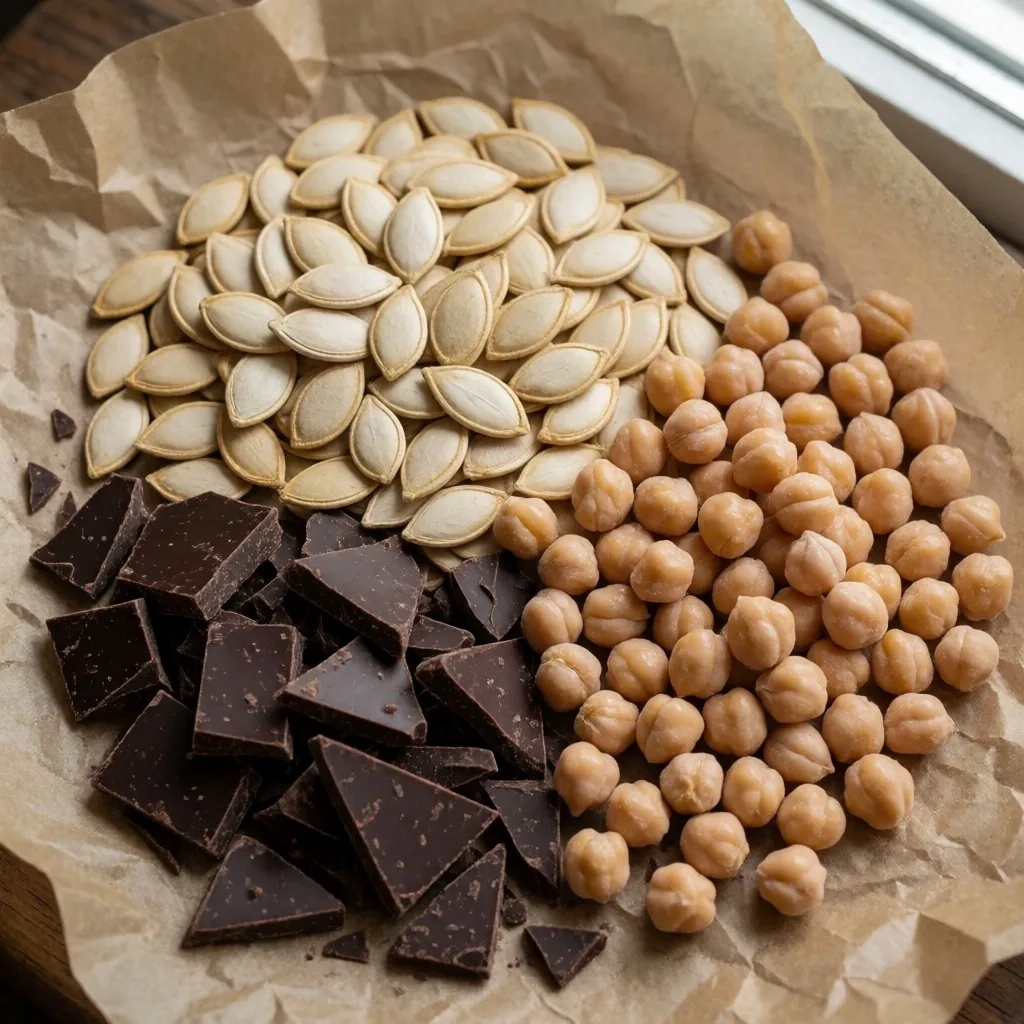
Ensuring adequate zinc intake matters most for men who participate in regular physical training. Small amounts of zinc are lost through sweat, and a consistently low intake can compound into a general sense of fatigue and slower recovery. Whole-food sources include pumpkin seeds, beef, chickpeas, cashews, and oysters; a well-formulated supplement fills the gaps when diet alone falls short.
The Benefits of Tribulus Terrestris
Derived from a leafy plant found across many tropical and subtropical regions, Tribulus Terrestris has long been a staple in herbal wellness traditions from Southeast Europe to South Asia. It is often included in supplements designed to support general vigor and physical performance.
The plant carries naturally occurring compounds called saponins, which are the plant-defense chemicals that give Tribulus its bitter taste. In dietary form, these saponins are studied for how they interact with the body's natural systems. When comparing formulations, look for a labeled saponin percentage — typically standardized between 40 and 90 percent — as a marker of extraction concentration.
Magnesium for Muscle Relaxation
Magnesium is essential for proper muscle function and the regulation of the nervous system. Many men are unknowingly low in this mineral, which can show up as general fatigue and muscle tension after training.
Supplements come in several forms — citrate, glycinate, malate, and oxide among them — and they differ in absorption rate. Citrate and glycinate are generally better absorbed; oxide is cheaper but poorly utilized by the body.

Maca Root: A Nutrient-Dense Superfood
Hailing from the high Andes of Peru, where it grows above 4,000 meters, Maca root is packed with vitamins, minerals, and amino acids. It thrives in conditions that defeat almost every other cultivated crop — freezing nights, intense daytime ultraviolet, and thin rocky soil.
It is widely recognized for its ability to support steady energy levels and a balanced mood, without the jitters or afternoon crash associated with caffeine. Maca is often described as an adaptogen, and many men add a teaspoon of gelatinized powder to a morning smoothie or oatmeal as part of a daily nutritional routine. The gelatinization process — a gentle heat treatment — breaks down the starches and makes the root easier to digest.
Vitamin D and Urban Living
In urban environments like Jakarta, even with plenty of year-round sun, many people spend their working days indoors — commuting in cars, sitting in offices, exercising in gyms. The result is a surprisingly common pattern of low Vitamin D levels among otherwise active adults.
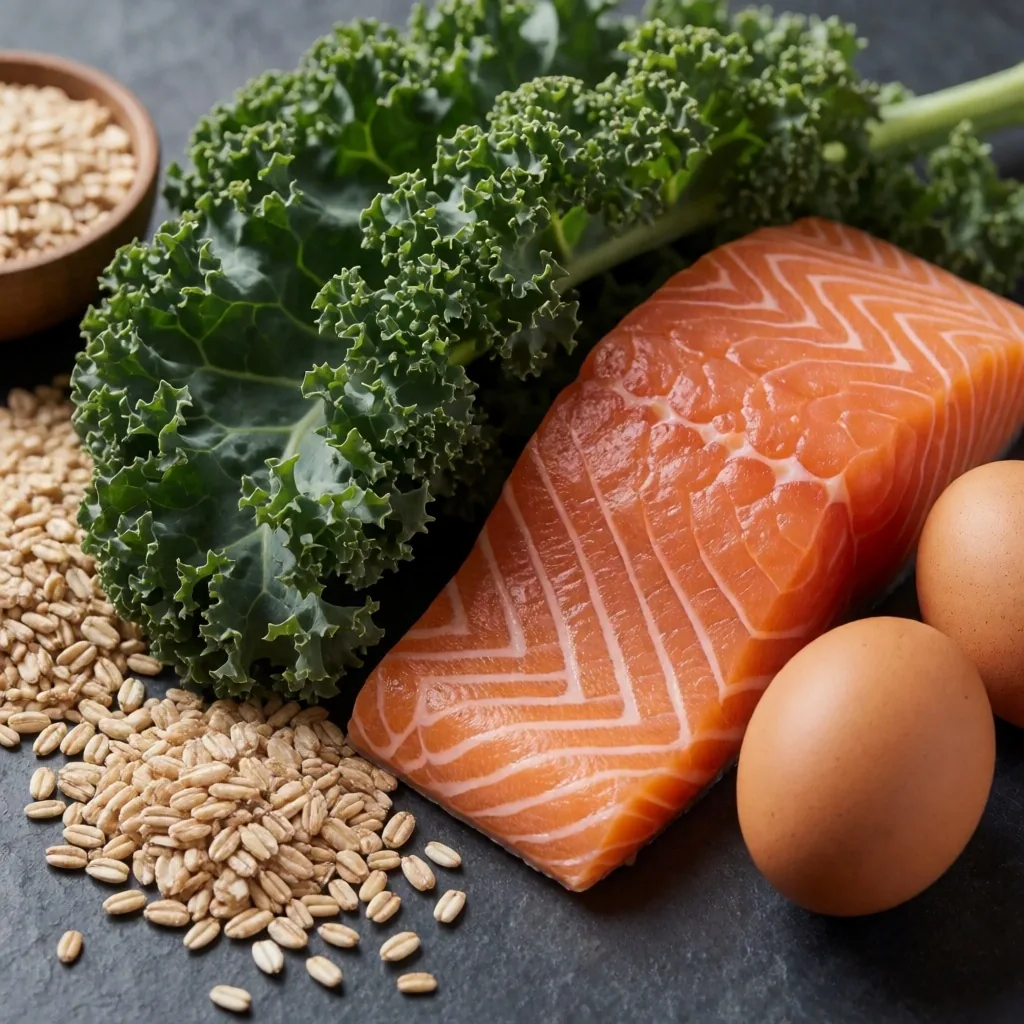
Vitamin D is critical for bone health and the regulation of the immune system. The two forms found in supplements are D2 (ergocalciferol, from plants) and D3 (cholecalciferol, from animal sources or lichen). D3 is generally better at raising and maintaining blood levels. For men who spend most daylight hours inside, a modest daily D3 supplement paired with whole-food sources like fatty fish and eggs is a practical way to maintain steady levels year-round.
Turmeric and Curcuminoid Support
Turmeric is a cornerstone of Indonesian Jamu, the traditional wellness practice that uses plant-based preparations for daily maintenance. Known for its bright yellow color and potent antioxidant properties, turmeric is one of the most widely studied spices in modern nutrition.
The active compound, curcumin, is studied for its role in supporting joint comfort and general physical resilience. On its own, curcumin is poorly absorbed by the body — but pairing turmeric with black pepper (specifically the piperine it contains) can significantly enhance its natural absorption. Quality supplements often list both curcumin and piperine on the label, or use a lipid carrier to improve uptake.
B-Complex Vitamins and Mental Clarity
The B-vitamin group — including B6, B12, and Folic Acid (B9) — is vital for brain function and the production of red blood cells. These vitamins help the body convert nutrients from food into usable fuel, making them indispensable for anyone with a high-stress or high-energy daily routine.
Because the B vitamins work together as a network, a well-formulated supplement provides the full complex rather than isolating a single one. Each member has a distinct role, and deficiencies in one often show up alongside shortfalls in another.
Reading the Label, Choosing the Source
Every ingredient described on this page is valued for its nutritional profile and its place in traditional wellness practice — not as a cure or a replacement for professional guidance. Pria Alam provides this information as an educational starting point. When choosing supplements, read the label for whole-food sourcing, standardized active-compound percentages, and transparent origin details.
These products are intended as dietary supplements to support general wellness, not as medical products. If you have specific health concerns or take other supplements regularly, consult a qualified nutrition professional before adding new botanicals or vitamins to your daily routine.